
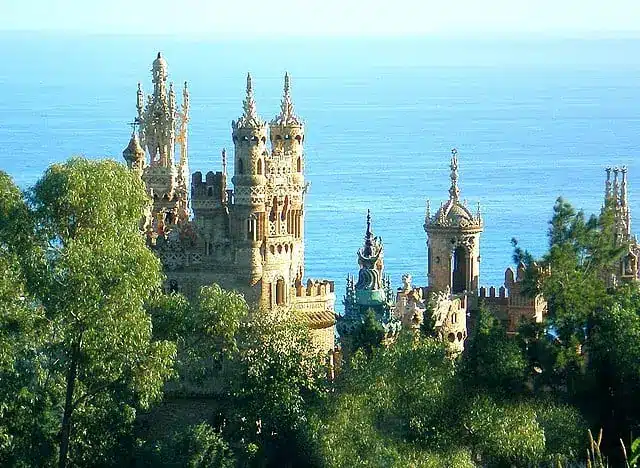
The history of Benalmádena transcends the concept of a contemporary holiday resort. Behind the image of its golden beaches, its sophisticated nautical infrastructure, and its festive atmosphere lies a millennia-old history shaped by cultures that found in this corner of the Costa del Sol a strategic location for settlement, defense, and trade. From the first human groups of the Paleolithic era to the urban boom of the 20th century, this strip of land in Málaga province faithfully reflects the transformations experienced throughout the Mediterranean region.
To truly grasp the scope of the local heritage, it’s worth exploring how the mountains and coastline have interacted over the centuries. Having your own transportation, such as a rental car in Benalmádena , makes it easy to travel between the mountain archaeological sites and the coastal areas, connecting the past with the present-day tourist experience without relying on rigid public routes.
Prehistoric Benalmádena: caves, rock art and the first settlers
The earliest evidence of human presence in the municipality dates back to the Upper Paleolithic period, approximately 20,000 years ago. The natural caves of the Sierra de Mijas provided shelter and protection to hunter-gatherer communities who found abundant water and game resources in the area.
Among these sites, the Cueva del Toro (Cave of the Bull) stands out, where lithic artifacts, ceramic pieces, and evidence of continuous occupation spanning from the Magdalenian to the Neolithic periods have been recovered. The detailed study of these materials, many of which are preserved and exhibited in the collection of the Municipal Archaeological Museum , demonstrates that the area was a significant settlement during the process of sedentarization of the first farmers and herders in the south of the Iberian Peninsula.
Phoenicians and Romans on the Costa del Sol
With the arrival of the first millennium BC, maritime trade networks radically transformed the economy and settlement patterns of the Malaga coast. Phoenician navigators established trading posts and exchanges with the local populations, integrating the region into the routes that connected the eastern Mediterranean with the Atlantic via the Strait of Gibraltar.
Later, the Roman presence consolidated this maritime and industrial vocation. During the High Imperial period, important facilities dedicated to the production of garum, the renowned salted fish sauce sought after by the Roman elite, were developed, as well as potteries for the manufacture of amphorae. Sites such as the Roman villa of Benalroma attest to the coexistence of stately residences alongside complexes dedicated to maritime activities. This rich evolution of ancient settlement is framed within the broader historical record from Tartessos to Rome , a period in which the coastal region was fully integrated into the province of Hispania Baetica.
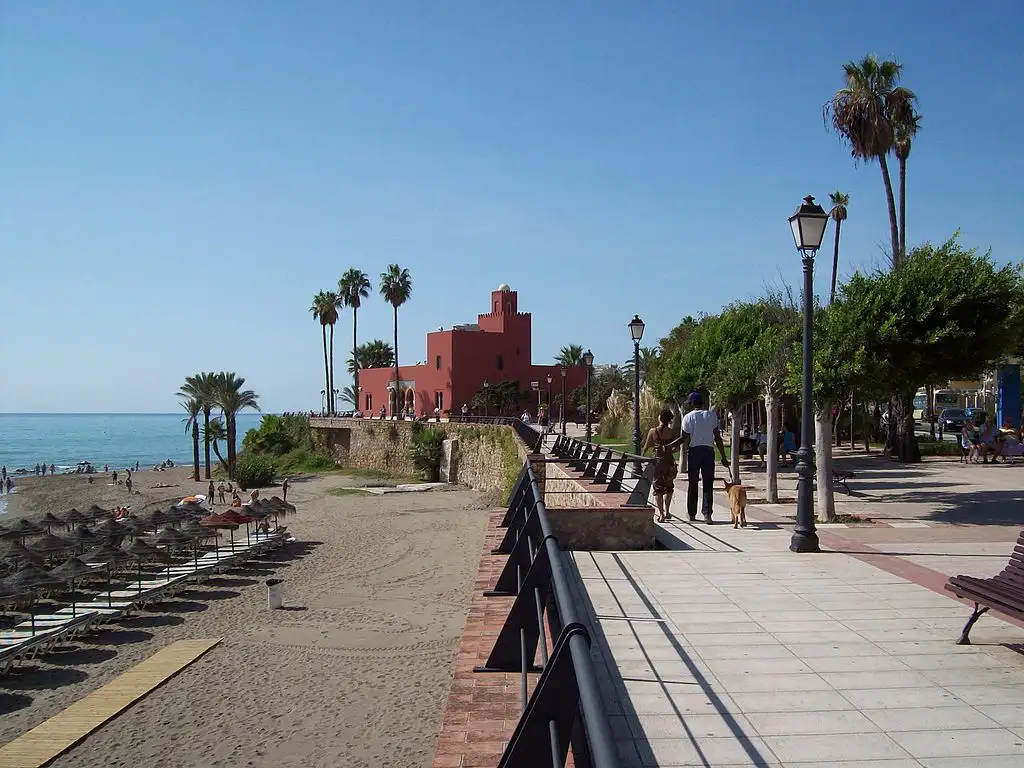
Arab Benalmádena: the origin of the name and the Nasrid mines that still whisper
The arrival of the Muslims in the 8th century definitively shaped the toponymic and territorial identity of the municipality. The name Benalmádena itself comes from the Arabic Ibn al-Ma’din, which literally translates as ” sons of the mines .” This name refers directly to the intense extraction of iron ore and ochre that took place in the mines of the mountains during the Andalusian period.
Under Islamic rule, the population was structured around a fortified town, or hisn, located in what is now known as Benalmádena Pueblo. This fortress served as a refuge for the farmers of the surrounding hamlets and allowed for effective control of the coastal strip against possible maritime incursions. Irrigated agriculture experienced a significant boost thanks to the introduction of canals, ditches, and cisterns that transformed the hillsides into productive orchards.
The Reconquista of Malaga by the Catholic Monarchs
The town’s fate changed drastically in the spring of 1485 , when Castilian troops led by the Catholic Monarchs conquered it during the campaign preceding the capture of Málaga. The siege destroyed much of the Andalusian castle and disrupted the traditional social fabric.
After the surrender, the territory was repopulated by Christian families from the north of the peninsula. However, the harsh conditions of the post-war period, coupled with constant harassment from privateers and significant earthquakes, led to the temporary depopulation of the enclave, forcing the authorities to grant tax exemptions and privileges to consolidate the population.

Watchtowers for a heroic defense
Faced with the imminent threat of Berber raids that ravaged coastal towns during the 16th and 17th centuries , a robust defensive network was established along the entire coastline. Watchtowers such as Torremuelle, Torre de Quebrada , and Torre del Muelle were erected and restored .
These cylindrical masonry structures housed permanent garrisons tasked with scanning the horizon. Using smoke signals during the day and bonfires at night, the guards relayed alarm signals from tower to tower to the garrison inside, allowing the population to seek refuge behind the town walls before the arrival of pirate ships.
What was life like in Benalmádena before tourism?
Throughout the 18th and 19th centuries, Benalmádena’s economy remained closely linked to the primary sector and small manufacturing industries. The mountain fields were covered with extensive vineyards dedicated to the production of raisins and Málaga wine, as well as almond, olive, and fruit trees.
In the coastal area, the Italian Félix Solesio promoted the creation of several paper mills in the late 18th century, which used the hydraulic power of local streams to supply sheets of paper to the Royal Playing Card Factory of Macharaviaya. However, the agricultural plagues of the late 19th century, especially phylloxera, which devastated the vineyards, forced the population to diversify their crops and seek new economic alternatives.

How modern Benalmádena was born
The mid-20th century brought with it a radical socioeconomic transformation driven by the phenomenon of mass tourism. In 1959, the opening of the iconic Hotel Tritón on the beachfront marked the starting point of the municipality’s hotel boom, attracting the first international visitors to the Costa del Sol.
Years later, the construction of the Puerto Marina complex in the late 1970s reshaped the coastal urban landscape. Its architectural design, which combines Moorish and Andalusian elements with artificial islands and top-tier moorings, transformed the marina into an internationally recognized nautical and commercial landmark.
The fight to preserve the history of Benalmádena
The rapid real estate growth experienced in the last third of the 20th century put the preservation of archaeological and historical heritage to the test. The City Council and various heritage groups launched cataloging and protection campaigns to ensure that modern construction did not erase traces of the past.
The musealization of the Roman sites, the protection of the traditional historic center of Benalmádena Pueblo and the restoration of the watchtowers constitute milestones in the municipal effort to harmonize urban development with respect for collective memory.
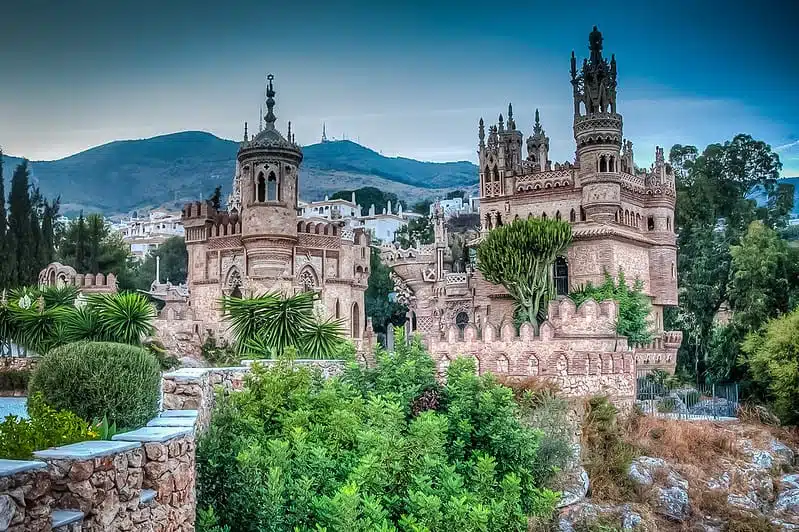
Colomares Castle: the bridge between eras that every traveler should visit
Among the most unique elements of the architectural heritage is the Colomares Castle , a fantasy sculpted in stone, brick and wood by Dr. Esteban Martín Martín between 1987 and 1994. Although it is a contemporary work, this monument synthesizes the evolution of the architectural styles of Spain through Neo-Byzantine, Neo-Romanesque and Neo-Mudéjar to pay homage to the discovery of America.
The balance between tourism and identity
Today, Benalmádena faces the challenge of sustaining its economic dynamism while preserving its cultural essence. The coexistence of highly developed tourist areas and the traditional tranquility of the historic center demonstrates the adaptability of a town with thousands of years of history.
For those planning to explore the area thoroughly and discover both its rich historical legacy and its main tourist attractions, it is essential to plan key logistical aspects such as discovering the best beaches in Benalmádena , selecting the ideal places to taste traditional cuisine in our guide to eating in Benalmádena , and evaluating the different urban centers before deciding where to stay.